Why thisReskinsAnimationPromoBuildProductFAQ Sign in
Art production platform for game studios

Ship more games.
Same art team.

The production line between your art and your build. One approved look, held everywhere. Reskins in minutes, not sprints. Every marketing size from one build — and no queue behind a technical artist.

1–2 monthsfor a new title's art, from brief to playable build — where the traditional pipeline takes six
the titlesa year from the same art team and the same engine
Days, not weeksfor a full reskin or a seasonal edition — minutes when it runs from a template
In daily productionRunning a licensed slot studio's art pipeline — reskins, variants and new titles.
Animations become templatesRig once in Spine; every new skin after that needs an artist, not an animator.
Your art trains nothing sharedStyles, assets and projects stay inside your organisation.
The roadmap problem

The release calendar is set. The art takes six weeks.

A studio ships as fast as its art. Every title needs its characters and symbol sets, rigs, backgrounds, win screens — then a marketing pack in thirty sizes for every store and operator. Each step waits on the one before it, and on the one technical artist who knows how to export it.

01
One good image is easy. A consistent game is not.

The same look, a thousand times, from six people, over four months — that is the real job.

02
Small variants cost like new games

A seasonal edition or a partner's branded version is a handful of art decisions — yet it still goes through an artist, a technical artist and a developer, one after the other.

03
Marketing goes stale the moment key art moves

Store tiles, lobby banners, icons: rebuilt by hand, per size, per channel, per change.

04
PNGs are not a build

Delivered files still need wiring in. The first playable arrives days after the art did.

Not another image generator

You've tried the generators. This is the production line.

Generators give you one good image. Template tools give you someone else's game. ToonStudio starts from your look, your rigs and your engine — and ends with the title in the build. AI is one capability inside it, not the point of it.

Image & video generatorsTemplate-based reskin toolsToonStudio
Starts fromA prompt and a style modelTheir templates and their locked lookYour references, your Spine rigs, your engine
Ends withA folder of PNGs and clipsAn asset pack and documents to hand offAn engine-ready package and a playable build at a URL
ConsistencyPer image, per prompt, per artistLocked to what the template allowsOne studio-owned look across every symbol, skin and banner
AnimationNone — flat imagesFile names your animator can mapYour rigs reskinned, stills and animations matched by construction
Marketing packBatches of ad creativesA pack, onceEvery size from one build, current whenever key art changes
Who runs itArtists, promptingAnyone, inside their sandboxProducers on your own published pipeline; art directors decide
The gameYours to assemble afterwardsTheirs, with your art on itYours, end to end
Reskins that pay back

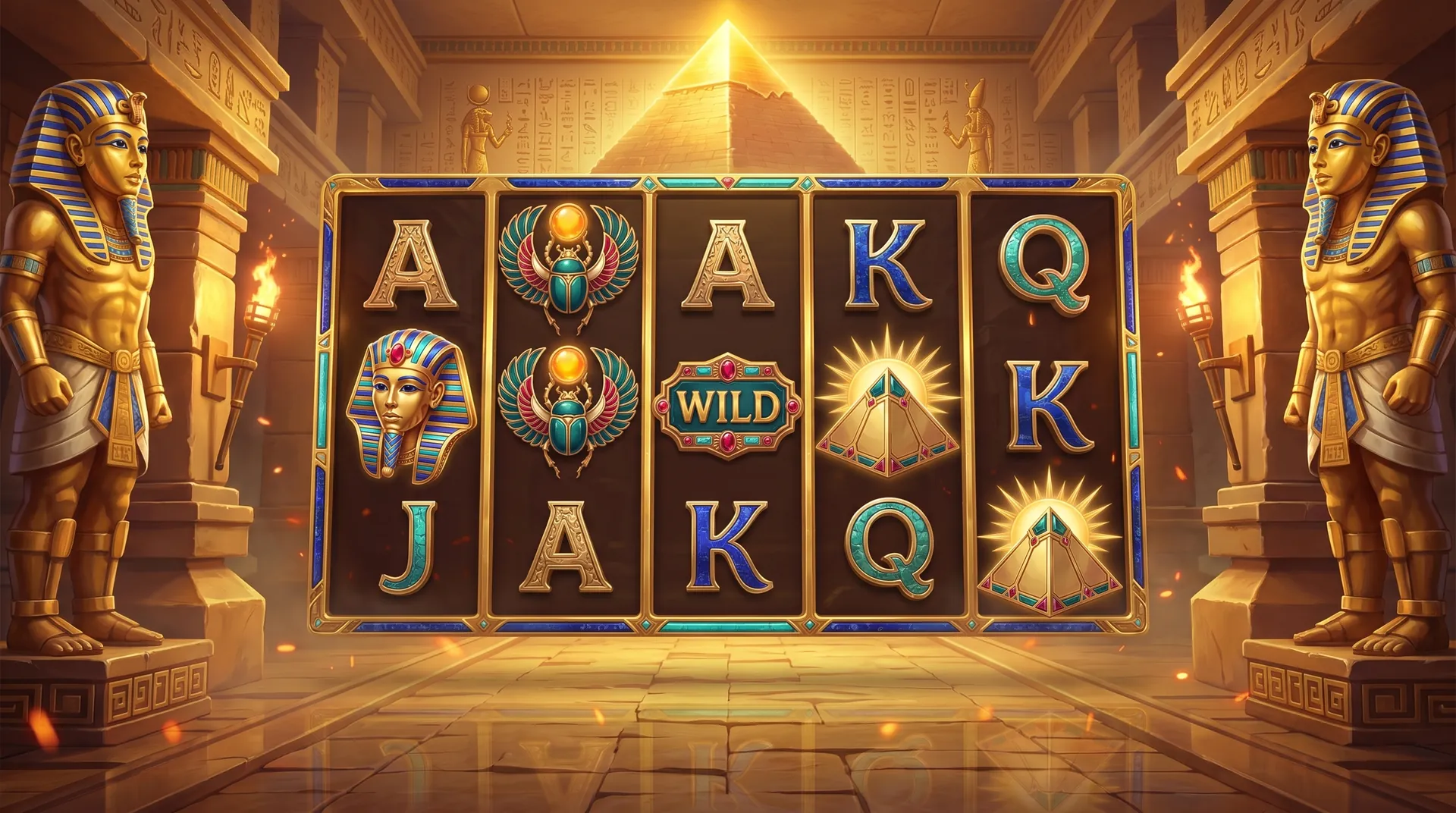
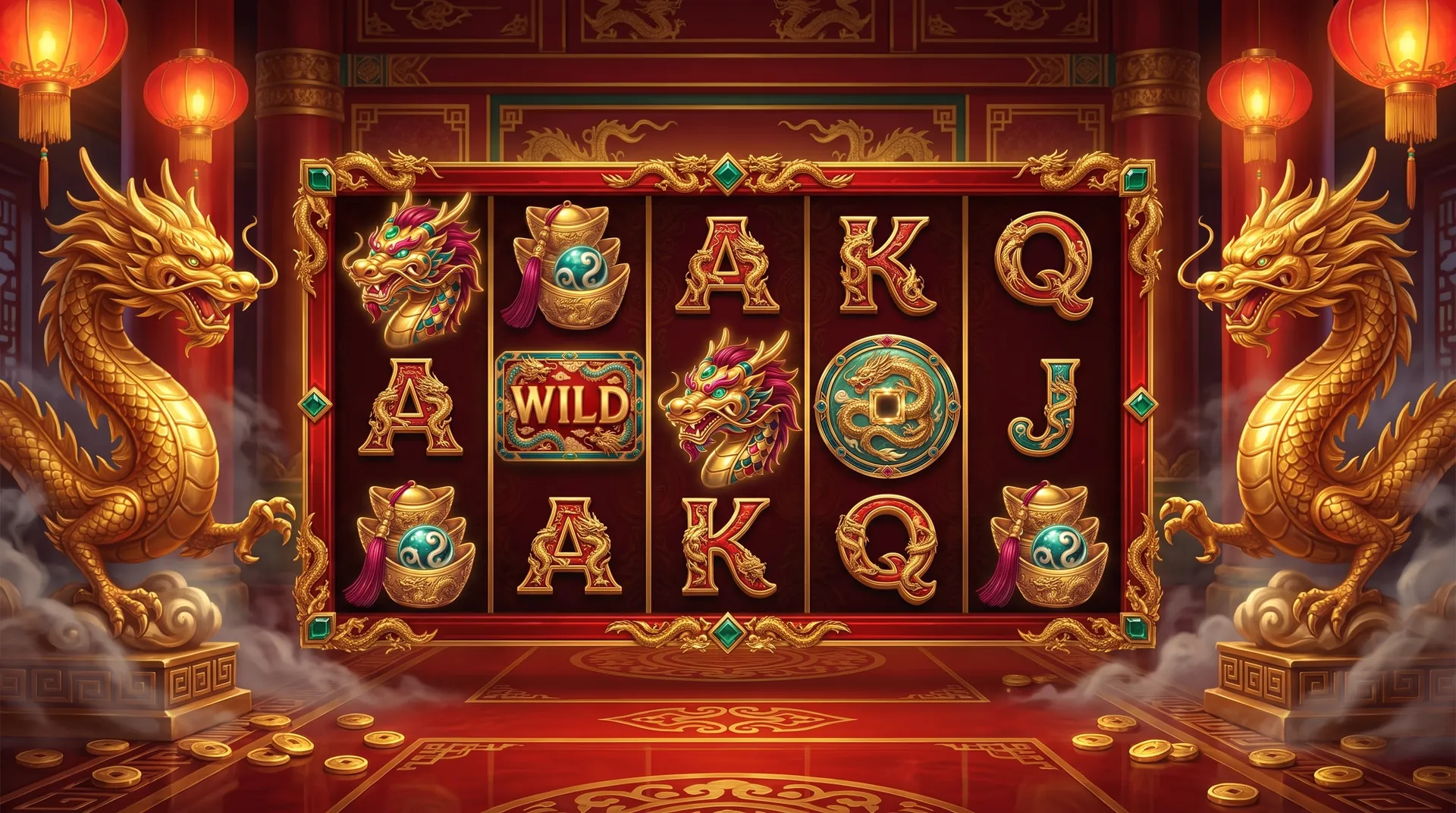
Same game. Same rig. New theme in minutes.

Build the game once. Then every theme is a decision, not a re-brief: the same layout, the same rig, the same engine build — with new art on top, in days and sometimes hours. Shown on a slot because that's where art volume peaks; the same applies to any game with skins, seasons or sequels. Three ways studios use it:

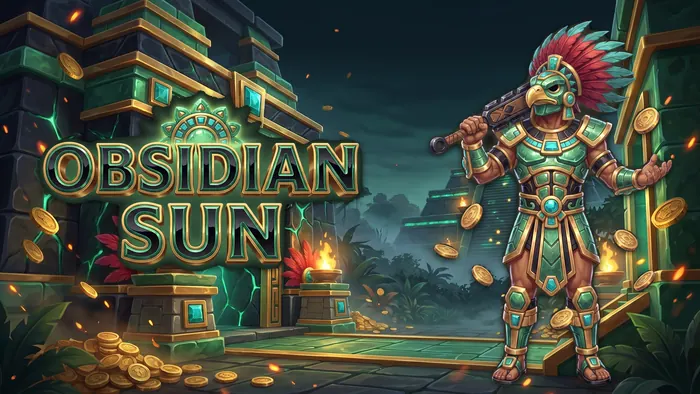
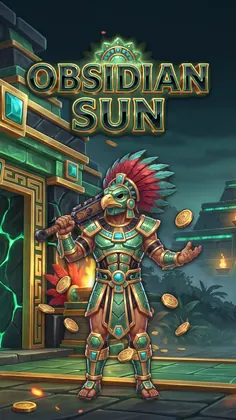
THEME Obsidian Sun
Live-ops editions

Halloween, Lunar New Year, a summer skin: seasonal reskins that keep players coming back. Studios that never had the budget for them now ship one in days.

Full reskins that compound

Build the mechanics once, then experiment with themes. Every title on the pipeline makes the next one cheaper — that is where the release cadence comes from.

Sequels that stay on brand

Same characters, same look, a new game. The trained style and the rigs carry over, so a sequel starts with the art already consistent instead of re-drawn.

BriefLives with the work

GDD, paytable and art brief sit next to the assets they describe. Nobody asks where the brief is.

ArtYour look, at volume

Symbols, scenes, characters and video in the studio's style, with a history you can go back to.

AnimationRigs reskinned, not rebuilt

New skins on the same rig, with no animator in the loop.

PackageEngine-ready

Atlases, manifests and Spine data exactly as the engine reads them.

BuildPlayable at a URL

Producer, art director, operator — anyone with the link plays the current build.

Live reskin
Spine reskins

Reskin the rig. Never rebuild it.

Rig it once. From then on the animation is a template: a new theme, character or symbol is new art dropped onto the same rig — done by an artist, or a producer, with no animator in the loop. Reskinning an existing animation is a waste of an animator's talent; let them animate, and leave the repetition to the pipeline.

  • Animators animate, not re-dress. One rig carries every skin that follows; the people who do it best keep doing the new work.
  • Engineers integrate once. The finished art lands in the slot the placeholder held — no re-wiring, no developer round-trip.
  • Stills and animations never drift. Same rig, same render, every skin.
  • Smaller textures out than in. Less memory on every device the game runs on.
Promo in every size

A week of artists. Now under a minute.

Store tiles, lobby banners, icons, animated banners — the whole marketing pack for every store and operator drops out of one build. What used to take an artist and a technical artist a week of cropping, resizing and re-exporting now takes less than a minute, and every size follows when the key art changes.

  • The whole pack from one click — dozens or hundreds of banners, icons and animated SVGs, named and sized to spec.
  • Always current. New key art on Monday morning means every store's and operator's assets are current before the stand-up.
  • Spec sheet in, files out. Nobody crops thirty images by hand again.
  • Animated banners too. Your animators make them in Spine, as they already do; the pack ships them as animated SVG — no new tool to learn.
Promo backgroundbackground
Charactercharacter
Logologo
Obsidian Sun launch bannerbanner_1920x1080
lobby_1200x630
leaderboard_970x250
Obsidian Sun story bannerstory_1080
icon_300
Obsidian Sun lobby tiletile_1080x1080
Obsidian Sun icon
three sources · one build · every size
Step 6 of 8 · SymbolsTEMPLATE · OBSIDIAN SUN v3
Theme
Character
Scatter
Multipliers
Backgrounds
6Symbols
7Final build
8Promo

Choose a premium symbol

Regenerate for more candidates, or keep the template's default.

Candidate 1
Candidate 2
Candidate 3
Candidate 4
← BackContinue →
Producers run it

Producers run reskins. Artists keep making games.

Your own game becomes the template — your art, your rigs, your engine, the pipeline your team built and fully controls. A partner exclusive, a seasonal edition or a new market variant is then eight guided steps — pick, approve, build — with your art director's decisions already baked in.

  • You decide what the form can touch. Which steps exist, which assets are offered, what stays fixed — nothing unapproved ships.
  • Partners can run their own variants without ever seeing your pipeline.
  • Ten minutes from brief to a playable build.
Into the actual build

Where most tools stop, this one ships.

The output isn't a folder of PNGs. It's the package your engine reads and a playable build at a URL, in under a minute — so the person with the opinion makes the change and sees it in the game.

  • Engineers pick up changes where they already work. No hand-off round.
  • Layered PSDs when an artist wants to take over.
  • A playable build for every review. Nobody waits for an integration build to see a change.
SpineUnityPhotoshop · PSDHTML5 web buildSprite sheetsAnimated SVGYour engine · API
Nothing here generates a game unattended. A generation is proposed, reviewed, accepted or regenerated — by your art director. What changes is what happens next.
Direction belongs to art directors, animators and game designers.

The system's job is to put work in front of them faster, not to decide it.

Once a game exists, it becomes the template.

The pipeline that made it is published; the reskins that follow run as a guided form.

Your assets and trained styles belong to your organisation.

Stored once, searched by what's in the picture, governed by a tag scheme you control.

Several people in the same project at once.

Real-time collaboration; history that branches like art direction actually does.

The product

The pipeline, in motion.

Short loops of the editor at work. Scroll sideways.

Extract a symbol sheet into assets27s
Stills that match the animation27s
Promo pack from one composition31s
Apply a trained style17s
Change one setting, everything downstream follows26s
Spine rig to animated SVG22s
Packaging template browser29s
Questions studios ask

Before the call.

Do we own everything that comes out of it?+

Yes. The artwork, rigs, packages and trained styles you make are yours to use, modify, publish and sell. ToonStudio keeps no rights and takes no royalties, and nothing you upload or generate is visible to another studio or used to train anything shared.

Is this only for slot games?+

No. Slots are on this page because that's where art volume is most extreme — symbol sets, reskins, promo packs for every operator. The same pipeline runs any game that needs art at scale: casual and mobile titles, social casino, live-ops events, character and item sets, store creatives. If your studio ships more art than it can hand-build, it applies.

Will it match our house style, or look like "AI art"?+

Your look is trained from your own references, belongs to your studio, and is held across every asset that follows — characters, symbols, skins, banners. Your art director judges the result the same way as work from any artist; nothing ships that they haven't approved.

What does "game-ready" actually mean here?+

Not a folder of images. The output is the package your engine reads — atlases, manifests, Spine data — plus a playable web build at a URL, layered PSDs when an artist wants to take over, and marketing sizes to spec. What comes out is what ships.

We animate in Spine. What happens to our rigs?+

They stay yours and stay intact. ToonStudio runs on the official Spine runtime and takes the exports your animators already produce; the skeleton, skin names and state names don't change — only the artwork. Stills, win animations and animated promo banners come out of the same rig.

Can we change one part of an asset without redoing the rest?+

Yes — a pose, a weapon, a colour treatment or a single symbol, with everything else left as approved. Every version is kept, so a direction you abandoned last week is a click away, not a re-brief.

How much manual clean-up is left for our artists?+

Less every month, but not none — and we'd rather say so. Transparency, edge clean-up, upscaling and layered exports are part of the pipeline; final polish on hero art is still an artist's call. What disappears is the hand-off work: exporting, resizing, re-wiring and rebuilding.

Which parts of production does it replace, and which still need people?+

It replaces waiting and re-work: the queue behind the technical artist, the promo pack rebuilt by hand, the build that arrives days after the art. It doesn't replace direction. Art directors, animators and game designers still decide; producers run the variations.

Can we try it on one of our own games?+

That's how every conversation starts. Bring a title from your catalogue to the walkthrough; from there we set up a pilot on your own assets, with your team hands-on.

What about pricing?+

Scope drives it: seats, generation volume and which parts of the pipeline you run. We'll talk numbers once you've seen your own title go through it.

Bring a title

More games a year. Same team.

Bring a title from your catalogue. In forty-five minutes we'll walk through what it takes to move it through the pipeline — from your existing art to a playable build — and what that does to your release calendar.